












 News
News 
-
Contact Us
-
Phone number:18914229323
E-Mail:huichangwen@126.com

Category:answer Publishing time:2026-09-14 16:56:51 Browse: Times
Sheet metal production is one of the most essential manufacturing processes in modern industry. From automotive bodies and aircraft panels to HVAC ducts and kitchen equipment, sheet metal parts are everywhere. But how exactly does raw metal sheet become a finished product? In this article, we break down the sheet metal production process and explain the key role played by two critical machines: the plate bending machine and the plate rolling machine.
What Is Sheet Metal Production?
Sheet metal production refers to the series of operations used to transform flat metal sheets into functional parts and components. These operations typically include:
Cutting – shearing, laser cutting, or plasma cutting the sheet to size
Forming – bending, rolling, and stamping the metal into shape
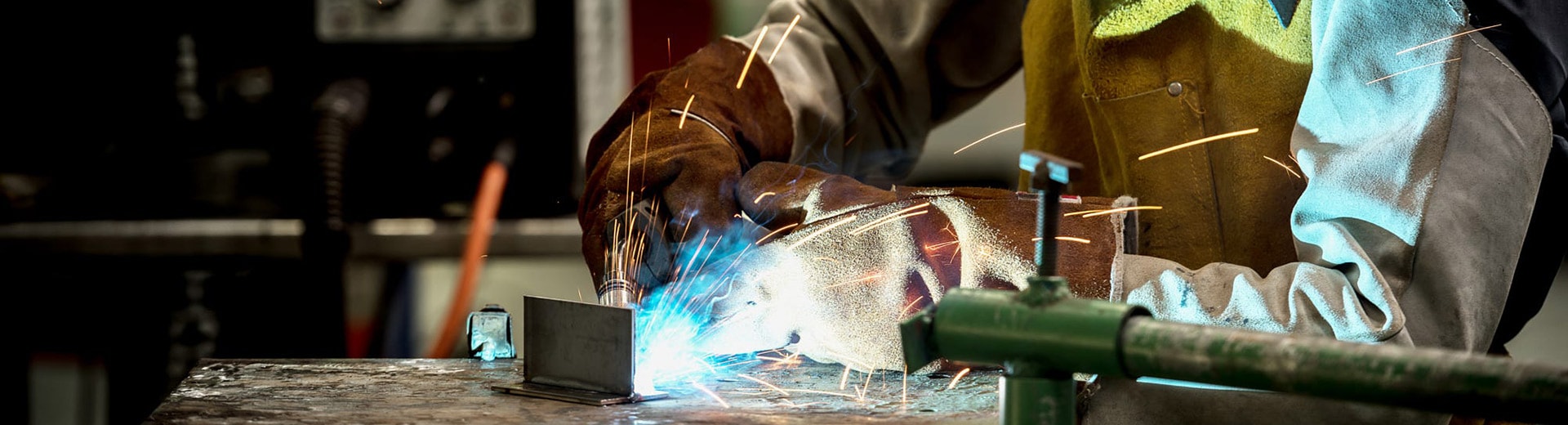
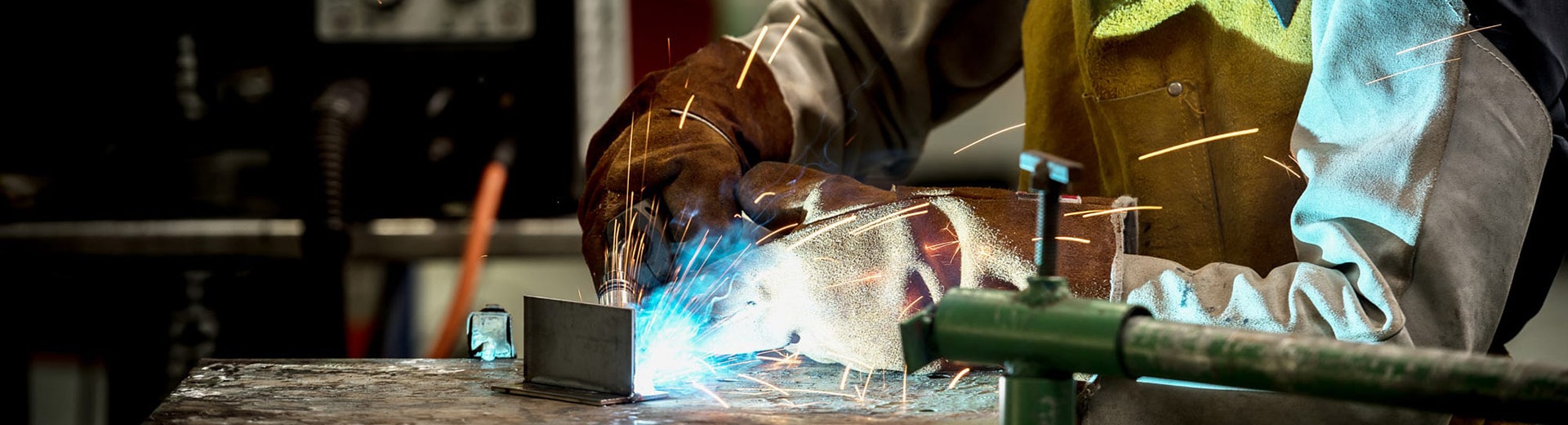
Joining – welding, riveting, or fastening parts together
Finishing – deburring, painting, coating, or galvanizing
On a modern sheet metal production line, these steps are often arranged in sequence so that material flows smoothly from one station to the next, maximizing efficiency and consistency.
The Sheet Metal Production Process Step by Step
1. Design and Programming
Engineers create CAD drawings and convert them into machine instructions. This ensures every bend angle, radius, and cut is precise before production begins.
2. Cutting
The metal sheet is cut to the required dimensions. Laser and plasma cutting are common for complex shapes, while shearing is used for straight cuts.
3. Forming and Bending
This is where the plate bending machine comes in. A plate bending machine (also called a press brake) uses a punch and die to bend sheet metal into angles, channels, and complex profiles. It is ideal for producing boxes, brackets, enclosures, and structural components with sharp, accurate bends.
4. Rolling
For curved or cylindrical shapes—such as pipes, tanks, and ducts—a plate rolling machine is used. This machine feeds the metal sheet between rollers that gradually bend it into a smooth curve or full cylinder. Plate rolling machines are essential for producing large-radius bends that a press brake cannot achieve.
5. Joining and Assembly
Bent and rolled parts are welded, riveted, or bolted together to form the final product.
6. Finishing
The assembled product is cleaned, deburred, and coated to improve appearance and corrosion resistance.
Why Plate Bending and Plate Rolling Machines Matter
Both the plate bending machine and the plate rolling machine are indispensable in sheet metal production:
Plate bending machine – delivers precise angles, high repeatability, and fast cycle times for box-like and angular parts.
Plate rolling machine – creates smooth, continuous curves and cylinders, perfect for tanks, pipes, and architectural features.
Choosing the right machine depends on the desired shape, thickness, and production volume. Many factories use both machines on the same production line to handle a wider range of jobs.


